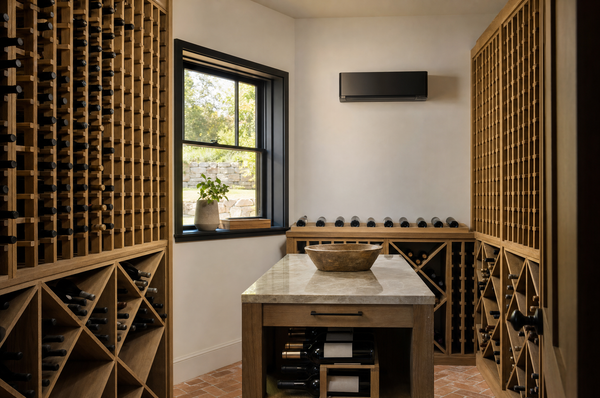
Wine Cellar Cooling Units
Delivered in 48–72 hours from US stock · 30-day returns
Cooling units that turn a closet or a basement into a wine cellar, sized by room volume in cubic feet.
Learn more
The essentials of wine cellar cooling units for perfect collection preservation
Storing wine in optimal conditions involves more than simply placing bottles underground or inside a refrigerator. Serious wine enthusiasts and collectors rely on specialized solutions that maintain consistency throughout the year. At the heart of proper storage are wine cellar cooling units, which offer precise temperature control and reliable humidity regulation. Understanding the different types, key installation considerations, and how to match features to a cellar’s unique requirements can make all the difference in protecting each bottle’s flavor, longevity, and value.
What are wine cellar cooling units?
Wine cellar cooling units function as climate managers, keeping an enclosed space at steady temperature and humidity levels. Unlike traditional air conditioners, these systems create stable environments specifically tailored for wine preservation. Fluctuations in heat or moisture may cause significant damage to corks, labels, and ultimately, the wine inside the bottles.
The importance of these devices cannot be overstated, particularly for those who wish to age wines or build substantial collections. Whether constructing a new cellar or upgrading existing storage, investing in a quality wine cooling system has a direct impact on both short-term enjoyment and long-term preservation. With various options available, knowing the basics makes it easier to navigate the choices efficiently.
Types of wine cooling systems
There is no universal solution when selecting wine cellar cooling units. The right type depends on several factors including wine cellar size and capacity, budget constraints, and architectural limitations. Systems fall into several main categories, each offering distinct advantages and drawbacks worth considering.
Self-contained systems
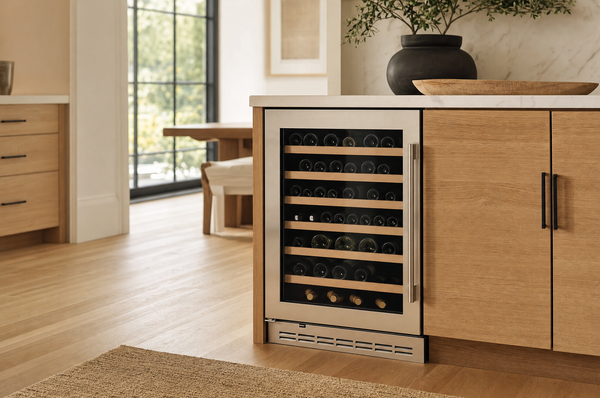
Self-contained systems are among the most common entry points for wine cellar climate control. These compact units house all components within a single enclosure, making installation straightforward—similar to setting up a large window air conditioner. They vent warm exhaust air from the cellar, making them well-suited for smaller cellars or spaces where ductwork is not feasible.
However, self-contained wine cooling systems are often less suitable for very large or high-end cellars. Their design may lead to more frequent cycling, which can place strain on the unit over time. It is also important to consider noise output and ensure adjoining spaces can effectively handle displaced air.
Split systems
Split systems separate the evaporator (cold side) and condenser (hot side) into different zones, connected by refrigerant lines. This arrangement allows for quieter operation inside the wine cellar, as noisier components remain outside or in adjacent rooms. Such flexibility is ideal for custom designs and larger cellars with enhanced insulation layers.
While split systems usually require professional installation, they provide excellent energy efficiency and minimize vibration—an essential factor for safeguarding wine integrity. Maintenance and repairs are generally simpler in the long run since each component remains accessible.
Ducted systems
Ducted systems use flexible or rigid ducts to distribute cooled air throughout the cellar without any visible equipment inside the room. Both the evaporator and condenser can be positioned outside the cellar, delivering near-silent indoor operation and maximum aesthetic freedom. These systems are especially effective for larger or complex-shaped spaces.
This approach offers reliable temperature control and consistent humidity regulation, while maintaining a clean visual appearance within the cellar.
Ductless systems
Ductless systems feature an evaporator installed inside the cellar, connected via lines to an outdoor condenser. Installation is typically simpler compared to fully ducted setups, though it may be harder to achieve a seamless look. Ductless options still provide dependable humidity and temperature control, but the best fit depends on design priorities and specific cellar needs.
Each system type offers distinct strengths, so evaluating cellar layout and desired aesthetics helps in making the right choice.
Key factors in selecting wine cellar cooling units
Choosing the appropriate wine cellar cooling unit involves more than considering price or popularity. It requires careful attention to volume requirements, environmental factors, and planned usage. Overlooking any critical element could compromise either wine quality or equipment lifespan.
Wine cellar size and capacity
The size and layout of a wine cellar fundamentally influence the selection of a cooling system. A unit suited for a small closet will not perform the same way in a spacious walk-in cellar. Calculating the cubic footage (length × width × height) of the space is crucial to estimate precise cooling needs.
If expansion is anticipated in the future, it is wise to select models engineered slightly above current requirements. Underpowered systems can lead to temperature swings, while oversized ones may cycle off too quickly, causing premature wear. Proper sizing ensures balanced operation and consistent protection for every bottle.
Insulation and vapor barriers
Effective wine cellar insulation forms the backbone of climate management. Without adequate thermal resistance, even state-of-the-art cooling technology struggles to maintain stable conditions. Walls, ceiling, door, and floor construction all play roles in overall stability. High-performance insulation and properly applied vapor barriers lock in conditioned air, preventing unwanted heat gain and moisture loss.
Inadequate insulation results in constant compressor cycling, accelerating equipment wear and jeopardizing wine stability. Always address this foundational step before installing any cooling appliances for optimal performance and efficiency.
Temperature and humidity control range
Premium wine cooling systems provide more than basic on-off functionality. Features like programmable settings, digital displays, and fine adjustments for target temperatures—typically between 10 and 15 degrees Celsius (50-59°F)—enhance preservation. Integrated humidity control ensures corks remain moist and labels stay pristine.
Cellars lacking consistent humidity risk dried corks, which may allow air into bottles and spoil contents. Equipment capable of maintaining 50% to 70% relative humidity is recommended. In regions with particularly dry or damp climates, models featuring active humidification are especially valuable.
Installation considerations for optimal results
Proper installation protects the integrity of wine collections and maximizes the benefits of a cooling unit. While some approaches are DIY-friendly, many situations demand professional expertise, especially when dealing with split or ducted systems.
Placement and airflow
Determining the best location for wine cellar cooling units means balancing convenience, safety, and airflow. Intake and exhaust vents must remain unobstructed to ensure peak performance. Supply and return grilles should never blow directly onto racked bottles, as this may result in uneven temperatures or disrupt label adhesives.
External condensers should be placed out of direct sunlight and away from debris to enhance reliability and reduce operating costs. Regular maintenance of airflow pathways extends system life and keeps internal climates consistent, regardless of external weather shifts.
Noise and vibration reduction
Wine matures best in tranquil surroundings. Equipment that vibrates excessively or emits noticeable noise can disturb sediment and impact the aging process. When practical, compressors should be isolated outside living areas or mounted on anti-vibration platforms. Ducted and split systems excel in minimizing disruptions, ensuring peace and quiet inside the cellar.
Prioritizing models built with low-noise fans and insulated cabinets enhances comfort during tastings and prevents minor vibrations from undermining years of careful curation.
Operational tips for maintaining wine cooling systems
Investing in top-quality wine cooling systems delivers lasting value only when paired with regular care. Some tasks can easily become part of seasonal routines, while others occasionally require professional assistance. Following a proactive maintenance schedule keeps everything running smoothly through changing seasons.
- Inspect air filters monthly and replace if dirty to preserve proper airflow and cleanliness.
- Check system controls and confirm correct calibration for consistent temperature control.
- Schedule annual servicing to assess mechanical, electrical, and refrigerant components thoroughly.
- Clean condenser coils and evaporator pans regularly to prevent mold growth or blockages.
- Document performance trends, listen for unusual noises or changes, and consult specialists for irregularities.
Basic attention helps avoid unexpected breakdowns and extends the service life of the equipment. Seasoned collectors often keep detailed logs of conditions and interventions, providing invaluable references for troubleshooting or future improvements.
Notably, modern wine cooling systems now include smart monitoring features that alert users to deviations. These innovations offer reassurance even when away from home, making remote wine stewardship entirely possible.
How future trends are shaping wine cellar cooling?
The world of wine storage continues to evolve, blending tradition with advanced engineering. Notable developments include integration with home automation platforms, improved energy efficiency, and greater sustainability throughout manufacturing processes.
Manufacturers refine compressors and refrigerants to minimize environmental impact and meet new regulatory standards worldwide. Innovations such as adaptive humidity control and variable-speed blower motors further enhance precision and reduce costs, appealing to those who value ecological responsibility alongside a passion for wine collecting.
In the end, thoughtfully selected wine cellar cooling units provide confidence that treasured bottles will age gracefully. By aligning technology, construction, and ongoing care, remarkable flavors can emerge—even decades after harvest—showcasing the true artistry behind winemaking and collecting.