Wine Fridges et Coolers
Delivered in 48–72 hours from US stock · 30-day returns
Wine fridges and coolers that hold a steady temperature, with bottle capacity, zones and installation type on every model.
Learn more
The essentials of wine fridges and coolers: choosing the right wine storage solution
Wine lovers recognize that proper storage makes a remarkable difference in taste, aroma, and long-term value. Whether preserving prized vintage bottles or everyday dinner companions, having the ideal equipment such as wine refrigerators and wine coolers ensures every pour delivers its full potential. For collectors and newly curious enthusiasts alike, the broad selection of wine storage solutions offers intriguing possibilities. What are the main types, features, benefits, and essential tips for making the right choice? Let us explore the varied world of wine fridges and wine coolers in detail.
Why temperature control matters for wine?
The delicate chemistry of wine evolves constantly, even when sealed in a bottle. Heat, cold, fluctuations, and light all influence flavor, fragrance, and longevity. This is exactly why specialized wine fridges and wine coolers stand apart from standard household appliances, providing optimal preservation conditions through precise temperature control. There is more of this in small Wine Fridges.
Experts recommend storing wine at a consistent climate, usually between 10°C and 15°C (50°F-59°F). Temperature swings can cause premature aging or loss of vibrancy. Sunlight breaks down tannins and color, while excess humidity may damage corks and labels. Reliable temperature control paired with protection from vibrations creates the ideal environment for both short-term enjoyment and long-term maturation.
Main types of wine fridges and coolers
An impressive variety of wine storage solutions is available today, suitable for spaces ranging from compact kitchens to expansive cellars. Two primary categories dominate: built-in wine fridges/coolers and freestanding wine fridges/coolers. Both aim for superior preservation but differ significantly in installation, aesthetics, and flexibility. In the same vein, have a look at under Counter Wine Fridges.
Bottle capacity, cooling technology, and special features—such as dual zone capability or a wide temperature range—further distinguish each option. Exploring these differences can clarify which model best fits individual needs.
Built-in wine fridges and coolers: seamless integration
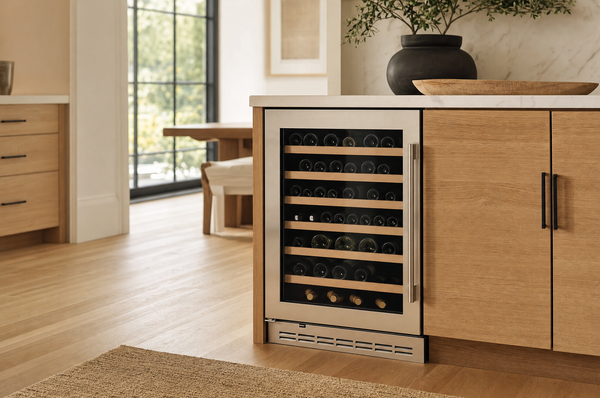
Built-in wine fridges and coolers fit elegantly beneath counters or inside cabinetry. Featuring front-facing ventilation, they slide neatly into dedicated spaces during kitchen remodeling or bar upgrades. Their streamlined design provides a sleek, premium appearance that blends effortlessly with modern interiors. That is also what built-In Wine Fridges is there for.
This type of installation works well when planning new kitchens or home renovations. Homeowners seeking true luxury often select custom paneling and matching finishes, further enhancing decor. Bottle capacity varies widely, from petite six-bottle units to collections exceeding fifty bottles, depending on available space.
Freestanding wine fridges and coolers: portable and versatile
Freestanding models offer unmatched placement flexibility. Designed with rear ventilation and robust side panels, these wine refrigerators require only a standard electrical outlet for setup. They accommodate changing room layouts or moves to different locations without complication.
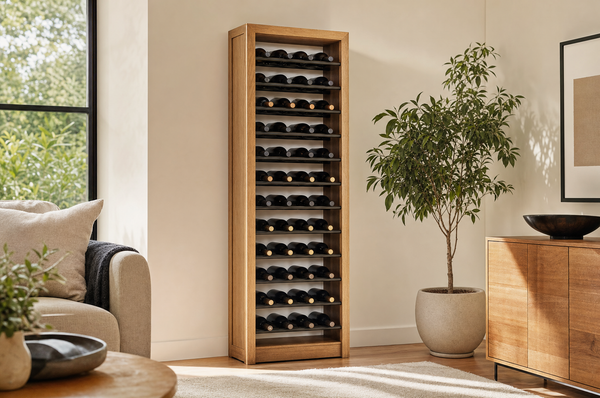
Often standing taller, these wine fridges suit pantries, laundry rooms, finished basements, or visible living areas. Many feature attractive display lighting and glass doors, perfect for showcasing a curated collection. Like built-in relatives, freestanding wine coolers vary greatly in bottle capacity, from compact countertop models to tall towers holding over 100 bottles.
Key factors to consider when selecting a wine fridge or cooler
With many excellent choices on the market, certain essential criteria help narrow the search. Assessing specific storage needs and physical constraints makes all the difference in satisfaction and daily usability.
Several important elements deserve careful consideration before investing in a new wine cooler or refrigerator:
- Bottle capacity: Estimate average inventory plus occasional expansion. Different wines come in various sizes, but most manufacturers base capacity on Bordeaux-shaped bottles.
- Dimensions and available space: Measure intended locations thoroughly. Built-in models require precise fitting, while freestanding versions need clearance for proper ventilation.
- Cooling technology: Compressor-based wine fridges deliver stable climate control and perform well in warmer environments. Thermoelectric systems are quieter but work best in milder conditions.
- Temperature zones: Those with diverse tastes may favor dual zone coolers, enabling separate storage for reds and whites. Single-zone units suit focused collections.
- Humidity regulation: Maintaining an ideal level (typically around 60–70%) preserves cork integrity and prevents mold growth.
- UV protection: Tinted or double-glazed doors shield bottles from harmful light, crucial for exposed installations.
- Shelving and layout: Adjustable racks, slide-out trays, or display shelves enhance practicality and visual appeal.
- Noise levels: Particularly relevant for open-plan apartments or bedrooms where quiet operation adds comfort.
Advanced features in premium and luxury wine fridges
Modern high-end wine storage solutions combine advanced engineering with refined aesthetics. While entry-level models provide reliable performance, choosing a premium wine fridge introduces sophisticated controls, elegant finishes, and thoughtful extras designed to satisfy discerning collectors and entertainers.
Selecting a luxury model grants access to a wide array of customization options. Whether creating a complete tasting room or seeking something distinctive to complement upscale decor, these choices exemplify the finest intersection of form and function.
Climate control and smart connectivity
Today’s luxury wine refrigerators often incorporate digital interfaces with precision, multi-level climate control. Owners can fine-tune temperature and humidity to fractions of a degree via touch screens or smartphone apps. Alerts notify users of any changes or malfunctions, ensuring peace of mind even when away from home.
Certain models include holiday modes, rapid cooling, or memory settings tailored to rare vintages or sparkling selections. Wi-Fi and Bluetooth connectivity provide real-time access to statistics, simplifying routine checks. Some advanced software also tracks inventories and sends reminders for optimal consumption windows.
Design innovation and refined materials
Premium wine fridges focus on aesthetics as much as technical excellence. Exteriors crafted from stainless steel, mirrored glass, or wood accents elevate the appliance visually. Interior LEDs create dramatic effects or subtle ambiance, enhancing presentation whether aiming for minimalism or bold style.
Many units utilize anti-vibration construction, keeping sediment undisturbed for years of gentle aging. Features like telescopic rails or soft-close drawers boost user comfort. For those prioritizing harmony with existing furnishings, several brands offer bespoke color matching or decorative panels.
One zone or dual zone: which one suits which need?
For many wine drinkers, versatility is just as important as aesthetics. The decision often centers on choosing between single zone or dual zone wine refrigerators. Both configurations support optimum temperature ranges, but each caters to distinct priorities.
Understanding the advantages of each helps determine not only what fits at home but how to organize a growing collection for various uses.
Single zone for simple organization
Single zone wine coolers maintain a uniform temperature across all shelves, perfect for those focusing on reds, whites, or one region’s specialties. Consistency aids aging and simplifies monitoring, eliminating risk of misplacing bottles at incorrect temperatures. There is more of this in single Zone Wine Coolers.
If the goal is to age a particular style or assemble a series of similar bottles, a single zone fridge offers reliability and great value. These models naturally align with smaller bottle capacities and more limited spaces.
Dual zone for mixed collections
Those who appreciate variety will likely prefer dual zone wine fridges or coolers. Each compartment operates independently, allowing reds to rest at warmer settings while whites chill below. Sparkling varieties and dessert wines benefit from customized storage temperatures as well. In the same vein, have a look at dual Zone Wine Coolers.
Larger families or frequent hosts especially enjoy this convenience. There is no need to shuttle bottles between multiple locations, since each zone maintains ideal readiness for every palate and menu pairing.
Guide to maintenance and care of wine fridges
A wine fridge represents more than just an appliance—it is an investment in personal enjoyment and hospitality. Regular maintenance routines keep systems running smoothly throughout the year and extend their lifespan.
Periodic inspection also supports hygiene, preventing buildup of dust, mold, or lingering odors. With attentive care, most wine refrigerators deliver reliable service well beyond initial warranty periods.
Cleaning and internal maintenance
Manufacturers recommend using safe cleaning agents, preferably mild soap and water instead of harsh chemicals. Shelving and racks should be wiped gently yet thoroughly. Monthly checks remove condensation and clear obstructions from vents.
Glass doors benefit from regular polishing, preserving both appearance and UV protection. Units featuring carbon filters or humidity reservoirs require periodic replacement to guarantee freshness.
External positioning and operational habits
Consistent airflow extends compressor life and prevents overheating, so it is wise to leave a few centimeters of clearance on all sides, following manufacturer recommendations. Avoid placing wine coolers near ovens, dishwashers, or direct sunlight, as these sources undermine climate stability.
While occasional door openings do not cause harm, minimizing unnecessary access allows faster temperature recovery and increased efficiency. Paying attention to changes in humming or cycling frequency can alert owners to small issues before they become costly repairs.
Future trends in wine storage solutions
The evolution of wine fridges and coolers continues at a rapid pace. Architects and designers increasingly collaborate with wine enthusiasts to create fully integrated wine rooms, modular displays, and eco-friendly systems utilizing low-energy refrigerants and recyclable materials.
Features such as voice assistance, AI-powered inventory tracking, and even renewable energy options are emerging in select markets. As appreciation for wine culture grows worldwide, so does the diversity of personalized, elegant, and ever-smarter wine storage solutions for homes and businesses. Entering this evolving landscape promises new experiences and future delights for every passionate collector.
-


46-Bottle Single Zone Wine Refrigerator – 130L, 37–65°F
46-Bottle Single Zone Wine Refrigerator – 130L, 37–65°F
$985.99 -


30" Built-In Wine Fridge – Stainless Steel & Glass Door
30" Built-In Wine Fridge – Stainless Steel & Glass Door
$2,618.99 -


24" Dual Zone Wine & Beverage Fridge – 21 Bottles + 60 Cans
24" Dual Zone Wine & Beverage Fridge – 21 Bottles + 60 Cans
$2,028.99 -
-


24" Dual Zone Under Counter Wine Fridge – 54 Bottles
24" Dual Zone Under Counter Wine Fridge – 54 Bottles
$2,576.99 -


46L Compressor Wine Fridge – Single Zone, Freestanding
46L Compressor Wine Fridge – Single Zone, Freestanding
$593.99 -


12-Bottle Thermoelectric Wine Fridge – Single Zone, 33L
12-Bottle Thermoelectric Wine Fridge – Single Zone, 33L
$519.99 -


28-Bottle Under Counter Wine Fridge – Built-In, Single Zone
28-Bottle Under Counter Wine Fridge – Built-In, Single Zone
$1,655.99